

Monte Cristi Is Not Punta Cana.
And it isn't Cabarete either.
Monte Cristi feels different.
The landscape is drier. The coastline is wilder. The roads get quieter.
The beaches get emptier. Instead of resort strips, you get mangroves, salt flats, fishing villages, reefs, islands and enormous stretches of Caribbean coastline.
It's one of those places where you keep thinking:
“How is this still in the Dominican Republic?”
It is.
You just found a different one.
A Region, a Town,
a Coast —
and a Completely Different Side of the Island
Monte Cristi is a historic town and province on the northwestern coast of the Dominican Republic, close to the Haitian border.
The wider region combines dry coastal landscapes, mangroves, salt flats, coral reefs, beaches, offshore islands and protected ecosystems. This isn't one attraction.
It's a whole coastline waiting to be explored.


The Caribbean Has a Desert Side.
Most visitors picture the Dominican Republic
as lush green mountains and palm trees.
Monte Cristi has another idea.
Cactus. Dry forest. Rock. Salt. Sand. Blue water.
The result is one of the visual signatures of northwest Dominican Republic:
Caribbean turquoise against almost
desert-like terrain.
This is the landscape that makes nearby destinations such as Playa Popa feel so unusual.
The Mountain
That Owns the Coast
If Monte Cristi has a landmark, it's El Morro.
The dramatic limestone formation rises above the coastline and has become the visual symbol of the region.
From the water, it is even more impressive — cliffs, beaches, reefs and protected coastal landscapes all coming together around one enormous natural landmark.
For photographers: obvious stop.
For nature lovers: obvious stop.
For kiters: wait until you see it from the water.


Where the Coast Gets Serious.
The Monte Cristi coastal landscape brings together ecosystems that feel surprisingly different from one another.
-
Mangroves — protected coastal habitat and a completely different experience from the open beach.
-
Coral reefs — part of the marine landscape that makes the coast so rich.
-
Coastal lagoons — shallow, protected environments important to wildlife.
-
Dry forest — a striking contrast to the lush tropical image of the Caribbean.
-
Offshore cayos — including the famous Siete Hermanos group.
Monte Cristi is not just a beach destination.
It's an ecosystem.
Where Salt Meets Wind.
The salt flats are one of Monte Cristi's most distinctive landscapes.
They also help explain why the area feels so different: huge exposed expanses of sun, salt, and dry terrain sit close to the Caribbean.
Around Buen Hombre, the local wind story is part of the attraction.
The old Kite Buen Hombre material connects the area's heated landscape with the strong local kite conditions.
We don't need to turn that into a physics lecture.
The useful takeaway is simpler:
The strange landscape you see around Monte Cristi is part of what makes the wind culture here so special.

Monte Cristi Isn't One Kite Spot.
This is where the region becomes a playground.

BUEN HOMBRE
Shallow protected lagoon, flat water and the main base for learning, progression and regular riding.

PLAYA POPA
Wild beach, cactus, reef and the approximately 17 km Buen Hombre → Playa Popa downwinder.

GRAND GROSSIER
Remote boat-access sandbar, shallow clear water and open-ocean space.

CAYO ARENA
White sand, turquoise water and snorkeling — the classic Caribbean postcard.

MONTE CRISTI COAST
Dramatic landscapes and boat-based exploration; kite routes depend on local planning and conditions.
One region.
Completely different sessions.

The Secret Isn't One Perfect Spot.
It's the Variety.
You can spend one day learning in shallow flat water.
The next: downwind.
Another: boat trip.
Another: sandbar.
Another: sunset session.
Another: no kite at all — just explore the coast.
That's what makes Monte Cristi interesting as a kite destination.
You're not trapped at one beach.
You're based in a region.
What Should You Actually Do Here?
-
Visit El Morro — the iconic Monte Cristi landmark.
-
Explore the mangroves — the quieter side of the ecosystem.
-
See the salt flats — a surreal dry coastal landscape.
-
Visit the cayos — explore the offshore islands and marine environment.
-
Snorkel — reef, shallow, and clear water
-
Go to Playa Popa — beach, cactus, and wild coastline.
-
Kitesurf Buen Hombre — the region's main kite base.
-
Go to Grand Grossier — take the boat into the middle of nowhere.
-
Visit Cayo Arena — one of the region's best-known sandbars.
-
Watch the sunset — because after all that wind and water, you might as well finish properly.
SEE THE MONTE CRISTI CLOCK TOWER

A Little Piece of Eiffel in the Caribbean
In the center of Monte Cristi stands one of the town’s most recognizable landmarks: its elegant iron clock tower, traditionally attributed to Gustave Eiffel.
It looks almost unexpected here — a delicate European-style structure against the dry Caribbean landscape.
Take a walk through town, find the tower, and look around. This is the side of Monte Cristi you miss if you only come for the beach.
Good pairing: Clock Tower → Máximo Gómez Museum → local lunch → El Morro / coast

Monte Cristi Has Been Here for a While.
The landscape may feel remote. The history isn't.
Monte Cristi was founded in 1506, making it one of the country's historic settlements.
The town is also tied to the Manifesto of Montecristi and the Cuban independence movement through José Martí and Máximo Gómez.
The Casa Museo de Máximo Gómez commemorates that connection.
Then there is the town's famous iron clock tower, traditionally attributed to Gustave Eiffel and now one of Monte Cristi's most recognizable landmarks.
So yes: there is plenty to do here besides kite.
And plenty to think about when the wind stops.
Go Beyond the Beach.
If you're staying in the region, take time to see Monte Cristi town itself.
-
Walk around the historic center.
-
See the clock tower.
-
Visit the Máximo Gómez museum.
-
Eat something local.
-
Then head back toward the coast.
That's the beauty of Monte Cristi:
You can have history in the morning and be standing on an empty beach in the afternoon.

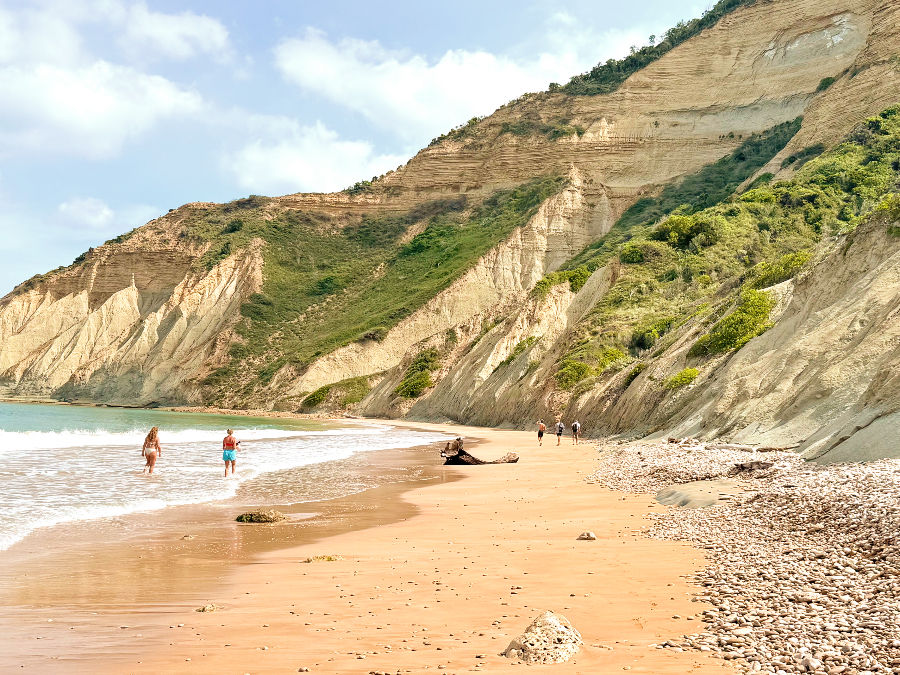
The Best View of Monte Cristi Might Be From a Boat.
Some of the region's best landscapes make more sense from the sea.
From a boat you see El Morro from below, mangrove channels, sandbanks, reefs, empty beaches, fishing boats and offshore cayos.
The coastline keeps unfolding.
That is why our boat trips aren't just transportation between attractions.
The coast itself is the attraction.
Stay in Buen Hombre. Explore Monte Cristi.
Buen Hombre gives you a place to stay, a kite school, flat-water riding, local guides, boats and access to the wider coast.
Monte Cristi gives you the larger playground.
Learn in Buen Hombre.
Explore Monte Cristi.
Ride the coastline.
Repeat.
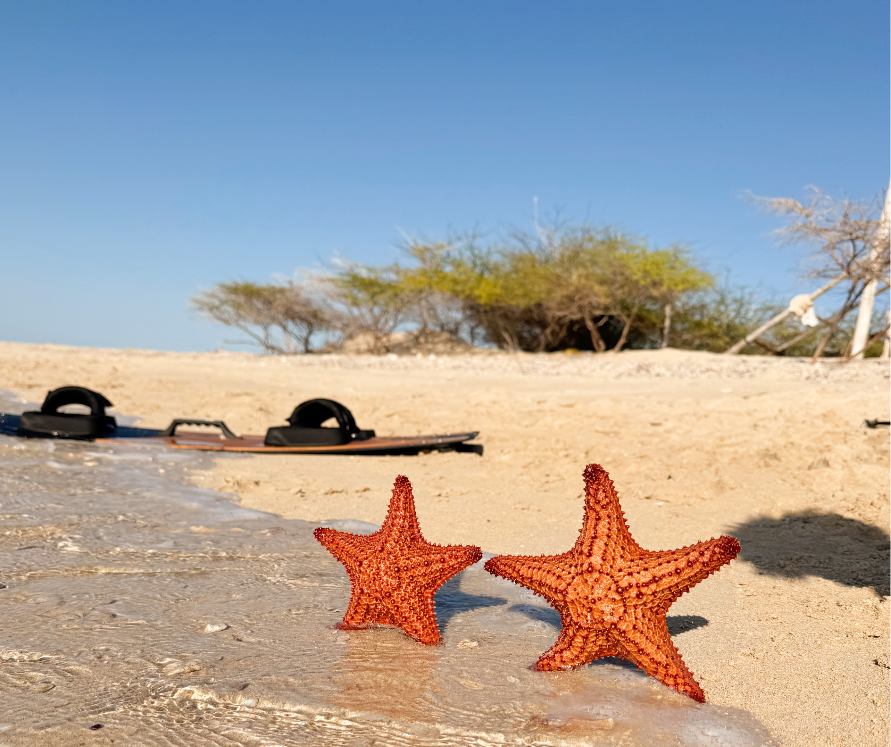

Because It's Not on the Way to Anywhere.
Monte Cristi sits in the northwest corner of the country, relatively far from the Dominican Republic's major resort centers.
That distance has helped preserve a region that still feels like a real place rather than a tourism development.
Actual villages.
Actual fishermen.
Actual coastline.
And when you get out on the water:
A lot of space.
WHO IS MONTE CRISTI FOR?
-
Kiters — come for Buen Hombre, stay for the coastline.
-
Nature lovers — mangroves, reefs, dry forest, lagoons and islands.
-
Beach lovers — Cayo Arena, Playa Popa and the remote coast.
-
Photographers — El Morro, dry landscapes and turquoise water.
-
History lovers — historic Monte Cristi and its Martí / Máximo Gómez connection.
-
Adventure travelers — boats, sandbars and downwinders.
-
People who want to escape — arguably the strongest category.

Don't Try to Do Everything in One Day.
Monte Cristi rewards slow travel.
2–3 DAYS
Buen Hombre + kitesurfing + one coastal adventure.
4-5 DAYS
Add Playa Popa, Cayo Arena, Grand Grossier or a mangrove trip.
7 DAYS
Kite school, progression, downwinder, boat day, Monte Cristi town, nature, beach, repeat.
You don't need to rush.
The coast isn't going anywhere.

Wind Season or Exploration Season?
If you're coming mainly to kitesurf, Buen Hombre has two windy seasons: November to April, and mid-May to September, the strongest. October and early May are the quietest months, but even then more than half the days are windy.
For sightseeing and boat trips, the priorities shift to weather, sea conditions, visibility and the activities you want to do.
For any boat or downwinder, we check the actual conditions before committing.
Good conditions? Let's go.
Questionable conditions? We'll tell you.
MONTE CRISTI AT A GLANCE
Dominican Republic
Region
Northwest coast, near the Haitian border
Main landmark
El Morro
Character
Dry, wild, historic and marine
Major ecosystems
Mangroves, reefs, lagoons and dry coastal forest
Kite base
Buen Hombre
Adventure destinations
Playa Popa, Grand Grossier, Cayo Arena and Punta Rucia
Historic highlights
Monte Cristi town, Eiffel Clock Tower, Máximo Gómez Museum and Manifesto of Montecristi
Best for
Kitesurfing, nature, beaches, history, boat trips and adventure
Atmosphere
Quiet and far from mass tourism
Monte Cristi Faq
Still Have Questions?
PLANNING YOUR FIRST KITE TRIP CAN FEEL LIKE A LOT TO FIGURE OUT.
Here are the questions we hear most — and the answers that help you plan with confidence.

